Prevent Pelvic Floor Problems: Simple Steps to Stronger Muscles
Prevent Pelvic Floor Problems: Simple Steps to Stronger Muscles
The pelvic floor is a critical component of our anatomy that helps support the bladder, bowel, and uterus. It also plays a crucial role in maintaining sexual and urinary function. Unfortunately, pelvic floor problems can be quite common, particularly among women. It is estimated that one in three women will experience pelvic floor issues at some point in their lives. The good news is that with proper exercise and lifestyle changes, these problems can often be prevented.
Understanding the Pelvic Floor
The pelvic floor is a group of muscles located at the base of the pelvis that work together to provide support and control. These muscles are similar to a hammock in that they help hold organs in place, providing stability and preventing them from dropping. In order to maintain a healthy pelvic floor, it is important to engage in exercises that target these muscles, as well as make lifestyle changes to reduce stress on the area.
Exercise for Prevention
The first step in preventing pelvic floor problems is to engage in regular exercise that targets these muscles. This includes pelvic floor muscle exercises, also known as Kegels. Kegels are simple, yet effective exercises that can be done anytime, anywhere, and without any equipment. To perform Kegels, simply contract and relax the pelvic floor muscles as you would if trying to stop the flow of urine. Repeat this action for several repetitions, working up to holding the contraction for ten seconds at a time.
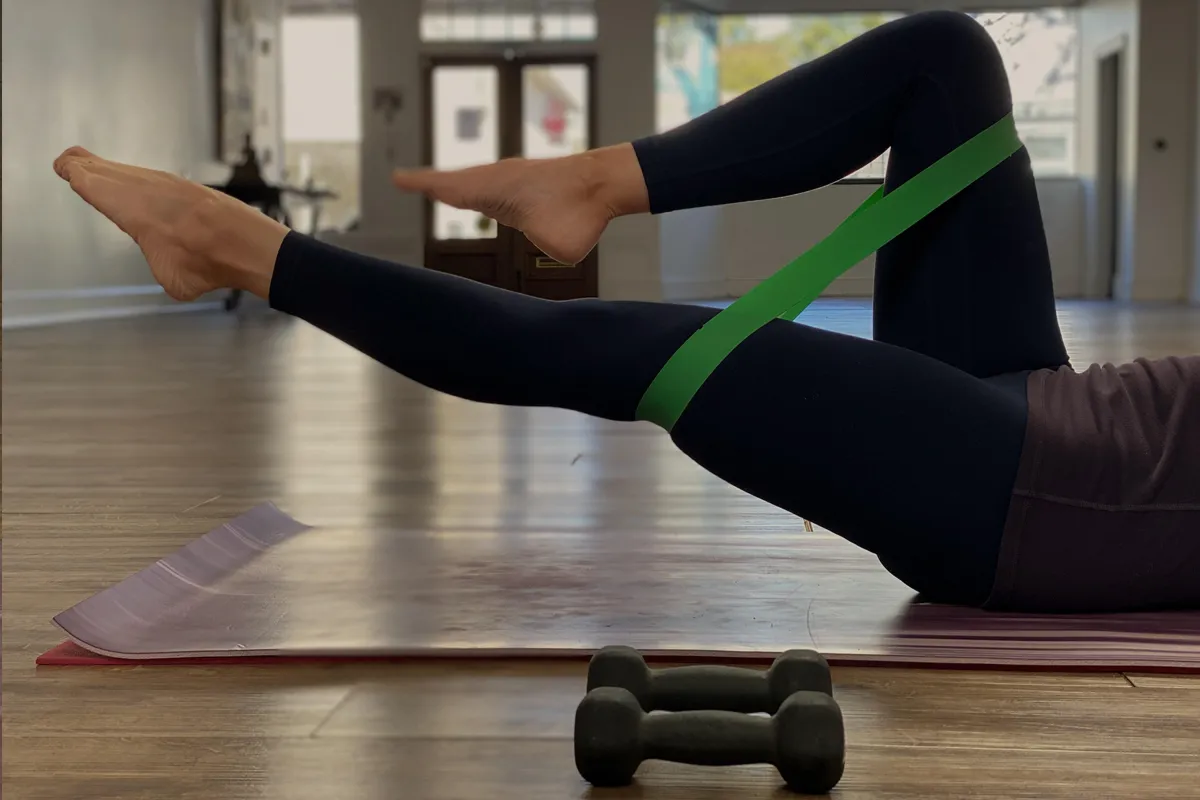
In addition to Kegels, resistance band exercises can also be a helpful way to strengthen the pelvic floor. These exercises target the muscles and provide additional resistance, which can help to improve muscle strength over time. It is important to speak with a physical therapist who specializes in pelvic floor rehabilitation to determine the best exercises for your individual needs.
Lifestyle Changes for Prevention
In addition to exercise, there are several lifestyle changes that can help prevent pelvic floor problems. For example, maintaining a healthy weight is crucial, as extra weight puts additional pressure on the pelvic floor. This can lead to pelvic organ prolapse, urinary incontinence, and other problems.
Additionally, avoiding activities that put excessive pressure on the pelvic floor, such as heavy lifting or excessive coughing, can help to prevent problems. Smoking should also be avoided, as it can lead to coughing and other activities that put stress on the pelvic floor.
Finally, it is important to manage stress in a healthy way. Stress can lead to pelvic floor muscle tension, which can increase the risk of problems. To help reduce stress, consider activities like yoga, meditation, or deep breathing exercises.
Seek Help from a Physical Therapist
If you are experiencing pelvic floor problems, or simply want to take steps to prevent them, seeking the help of a physical therapist can be extremely beneficial. A physical therapist who specializes in pelvic floor rehabilitation can work with you to develop a customized treatment plan, including specific exercises and lifestyle changes to help improve your condition.
At Let’s Move Physical Therapy, we are dedicated to helping our patients achieve optimal health and wellness. If you are a resident of the Las Vegas, NV metro area, we encourage you to contact us to schedule a consultation. Our experienced physical therapists will work with you to develop a personalized treatment plan that is tailored to your unique needs and goals.
Don't wait any longer to get the help you need. Contact Let’s Move Physical Therapy today!